

/global/header/smart-buildings.svg)


/global/header/facility-management.svg)






/global/header/leisure.svg)







In today's competitive landscape, understanding visitor behavior has become essential for retail directors, mall operators, airport managers, and facility teams. Footfall analytics provides the data-driven insights needed to optimize operations, enhance customer experiences, and maximize revenue. This comprehensive footfall analytics guide explores everything you need to know about implementing and leveraging this transformative technology in 2026.
What is Footfall Analytics?
Footfall analytics refers to the process of collecting, analyzing, and interpreting data about the movement and behavior of people within physical spaces. Using advanced sensors, cameras, and artificial intelligence, these systems track visitor patterns, dwell times, peak hours, and conversion rates. For retail directors and facility managers, this technology transforms raw data into actionable insights that drive strategic decisions.
Modern footfall analytics solutions go beyond simple counting. They provide demographic information, heat mapping, queue management data, and customer journey analysis. This comprehensive approach enables organizations to understand not just how many people visit their spaces, but how they interact with different areas and what influences their behavior.
Key Benefits for Different Industries
Retail and Shopping Centers: Mall operators leverage footfall analytics to optimize tenant mix, adjust marketing campaigns, and demonstrate value to retailers. By understanding which entrances attract the most visitors and which zones experience high traffic, management can make informed decisions about lease pricing and promotional activities.
Airports and Transportation Hubs: Airport managers utilize footfall data to improve passenger flow, reduce congestion at security checkpoints, and optimize retail concession placement. Understanding peak travel times and passenger movement patterns enables better resource allocation and enhanced traveler experiences.
Corporate Facilities: Facility teams use footfall analytics to optimize space utilization, reduce energy costs, and improve workplace safety. By tracking occupancy patterns, organizations can right-size their real estate footprint and create more efficient work environments.
Essential Technologies in 2026
The footfall analytics landscape has evolved significantly, with several technologies leading the way:
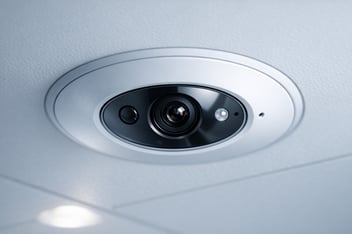
- 3D Stereoscopic Sensors: Providing highly accurate counting with minimal privacy concerns, these sensors distinguish between adults and children while tracking directional movement.
- AI-Powered Video Analytics: Advanced algorithms analyze video feeds in real-time, extracting detailed behavioral insights while maintaining privacy compliance.
- WiFi and Bluetooth Tracking: Monitoring device signals to understand repeat visit patterns and dwell times without requiring app downloads.
- Thermal Imaging: Offering privacy-friendly tracking that works in all lighting conditions, ideal for sensitive environments.
- LiDAR Technology: Delivering precise 3D spatial mapping for complex environments with multiple levels and overlapping pathways.
Implementation Best Practices
Successfully deploying a footfall analytics system requires careful planning and execution. Start by clearly defining your objectives. Are you focused on optimizing staffing levels, improving marketing effectiveness, or enhancing security? Your goals will determine which metrics matter most and where sensors should be placed.
Sensor placement is critical for accurate data collection. High-traffic entrances, key decision points, and strategic zones should be prioritized. Work with experienced providers who understand the nuances of different environments and can recommend optimal configurations.
Data integration is another crucial consideration. Your footfall analytics platform should seamlessly connect with existing systems including point-of-sale, building management, and customer relationship management software. This integration enables comprehensive analysis and more powerful insights.
Privacy and Compliance Considerations
In 2026, privacy regulations continue to evolve globally. Successful footfall analytics implementations prioritize privacy-by-design principles. Choose technologies that aggregate and anonymize data, ensuring individual identification is impossible. Transparent signage informing visitors about data collection builds trust and demonstrates compliance with regulations like GDPR and CCPA.
Work with vendors who maintain strict data security protocols and offer clear documentation about their privacy practices. Regular audits and compliance reviews should be part of your ongoing operations.
Measuring ROI and Success Metrics
Demonstrating return on investment is essential for securing stakeholder buy-in. Key performance indicators vary by industry but commonly include conversion rates, average dwell time, staff efficiency metrics, and revenue per visitor. For mall operators, tenant satisfaction scores and lease renewal rates provide additional validation.
Establish baseline metrics before implementation and track improvements over time. Many organizations report 15-30% improvements in operational efficiency within the first year of deployment. Document cost savings from optimized staffing, energy management, and marketing effectiveness to build a compelling business case.
Future Trends and Innovations
The footfall analytics industry continues to advance rapidly. Predictive analytics powered by machine learning now forecast visitor patterns weeks in advance, enabling proactive planning. Integration with augmented reality systems creates immersive visualization tools for facility managers. Edge computing reduces latency and enhances real-time decision-making capabilities.
Sustainability metrics are increasingly incorporated into footfall analytics platforms, helping organizations track and reduce their environmental impact. Advanced systems now correlate foot traffic with energy consumption, enabling automatic adjustments to lighting, heating, and cooling systems.
Getting Started with Footfall Analytics
Whether you manage a single retail location or multiple facilities across continents, footfall analytics offers transformative potential. Begin with a pilot program in a representative location to demonstrate value and refine your approach. Engage stakeholders early, ensuring buy-in from operations, IT, marketing, and executive teams.
Select a vendor with proven experience in your industry and a track record of successful implementations. Request case studies and references from similar organizations. Consider scalability from the outset, ensuring your chosen solution can grow with your needs.
Ready to transform your operations with cutting-edge footfall analytics? Our team of experts specializes in delivering tailored solutions for retail directors, mall operators, airport managers, and facility teams. Visit https://vemcogroup.com/contact-us to schedule a consultation and discover how footfall analytics can drive measurable results for your organization.